What are you looking for?

Effective moisture control is essential for protecting products, equipment, and materials from humidity-related damage. Excess moisture can lead to corrosion, mold growth, packaging failure, reduced product quality, and shortened shelf life. For this reason, industries worldwide rely on desiccants such as silica gel to maintain stable humidity conditions during storage, transportation, and production processes.
Among different silica gel options, silica gel type A and silica gel type B are two widely used varieties with different moisture adsorption characteristics. Although both are made from silicon dioxide and work through physical adsorption, their pore structures, performance ranges, and application areas are not the same.
Understanding the difference between silica gel type A and B type silica gel helps businesses select the most suitable desiccant according to environmental humidity, product sensitivity, and moisture protection requirements. This guide explains the properties, working principles, application differences, and selection methods of these two silica gel types.
Silica gel is a porous material made from silicon dioxide that removes moisture by attracting and holding water molecules inside its internal pore structure. Unlike chemical absorbents, silica gel does not react with most products, making it a safe and reliable choice for many industries.
The performance of silica gel mainly depends on its pore size, surface area, and adsorption characteristics. Different manufacturing processes create different pore structures, which determine how quickly and effectively silica gel captures moisture under specific humidity conditions.
Silica gel type A is a fine-pore silica gel designed for applications that require precise humidity control. Its smaller pore structure provides strong adsorption capability, especially in environments with relatively low humidity levels.
Because of its excellent drying performance, type A silica gel is commonly used for protecting sensitive products such as electronic components, medical packaging, optical instruments, and precision equipment. It helps maintain a stable dry environment where even small amounts of moisture may affect product performance.
The main advantages of silica gel type A include stable moisture adsorption, strong drying efficiency in low humidity environments, excellent chemical stability, and reliable protection for moisture-sensitive products.
Silica gel type B, is a medium-pore silica gel designed for environments where humidity levels are higher or frequently changing. Compared with type A silica gel, silica gel type B has a larger pore structure that allows faster moisture movement and higher adsorption capacity under humid conditions.
The unique structure of B type silica gel makes it suitable for industrial applications where moisture conditions cannot always be controlled. It provides effective humidity regulation for storage areas, transportation containers, machinery protection, and industrial drying processes.
Compared with fine-pore silica gel, silica gel type B offers better adaptability in fluctuating environments. It can continue absorbing moisture effectively even when humidity levels change significantly.
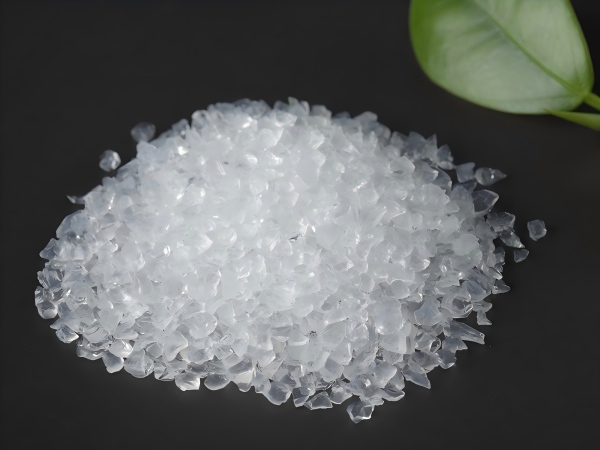
Both silica gel type A and silica gel type B control moisture through adsorption rather than absorption. When water vapor comes into contact with silica gel particles, moisture molecules attach to the internal surfaces of the porous structure.
This adsorption process reduces humidity inside sealed packages, containers, and storage environments. Because silica gel remains physically stable during moisture adsorption, it can protect products without introducing chemical contamination.
Type A silica gel is highly effective when the objective is achieving a very dry environment. Its fine pores create strong attraction forces that allow it to capture small amounts of moisture even under low relative humidity conditions.
For industries such as electronics, pharmaceuticals, and precision manufacturing, maintaining consistent humidity levels is critical. Type A silica gel helps reduce risks caused by moisture exposure, including corrosion, oxidation, and product deterioration.
Silica gel type B performs differently because of its medium-pore structure. The larger pores allow moisture to enter more quickly, which improves adsorption efficiency in environments with higher humidity.
This makes B type silica gel particularly suitable for industrial moisture control applications. It can absorb larger amounts of water vapor and provide reliable protection during long-distance transportation, warehouse storage, and outdoor-related applications.
Choosing between silica gel type A and silica gel type B requires understanding their differences in structure and performance. While both materials provide effective moisture protection, they are optimized for different operating conditions.
| Comparison Factor | Silica Gel Type A | Silica Gel Type B |
|---|---|---|
| Pore Structure | Fine-pore structure with strong adsorption force | Medium-pore structure with improved moisture diffusion |
| Humidity Performance | Best performance in low humidity environments | Better performance in medium and high humidity environments |
| Moisture Adsorption | Suitable for precise moisture control | Suitable for higher moisture loading conditions |
| Environmental Adaptability | Ideal for stable and controlled environments | Suitable for changing humidity conditions |
| Common Applications | Electronics, pharmaceuticals, optical products, precision instruments | Industrial drying, storage protection, transportation, machinery |
| Regeneration Performance | Can be regenerated under suitable conditions | Offers good regeneration capability for repeated applications |
The selection between the two silica gel types should always consider the actual working environment. A product requiring extremely low humidity protection may benefit from silica gel type A, while applications exposed to variable humidity may require the stronger adaptability of silica gel type B.
Silica gel is widely used across industries because moisture damage can affect product reliability, safety, and operational efficiency. Different industries select different silica gel types based on their moisture control requirements.
Pharmaceutical products often require strict environmental control because moisture can influence product stability and shelf life. Type A silica gel is commonly used in medicine packaging, diagnostic products, and healthcare-related applications where consistent humidity protection is required.
Electronic components, sensors, and precision instruments are highly sensitive to moisture exposure. Type A silica gel helps maintain a dry environment inside sealed packaging and reduces the risk of corrosion or electrical performance issues.
In industrial storage environments, humidity levels may change due to temperature fluctuations and external conditions. Silica gel type B is frequently selected for these applications because it can handle higher moisture loads and provide long-lasting protection.
Industries including machinery, automotive components, chemicals, and export packaging often use B type silica gel to protect products during transportation and storage.
Food ingredients, seeds, and agricultural products can experience quality problems when exposed to excessive humidity. Properly selected silica gel helps maintain suitable moisture conditions and reduces the risk of mold and deterioration.
Silicagelchem provides professional silica gel products designed for different moisture control requirements. Customers can explore available product solutions.
Selecting the correct silica gel type depends on several factors, including humidity level, product sensitivity, storage environment, and required protection period.
For applications requiring extremely low humidity, silica gel type A is usually more suitable because of its fine pore structure and strong adsorption capability. For environments with frequent humidity changes or higher moisture levels, silica gel type B provides better adaptability.
Sensitive products such as electronics, pharmaceuticals, and precision instruments often require stable humidity control. Type A silica gel is commonly selected because it can maintain a consistently dry environment.
Products transported over long distances may experience temperature and humidity variations. In these situations, B type silica gel is often preferred because it can absorb moisture effectively under changing environmental conditions.
If the desiccant needs to be regenerated and reused, silica gel type B can be a practical option due to its moisture release characteristics under appropriate regeneration conditions.
For assistance choosing the right silica gel solution for your specific application, Contact Silicagelchem experts.
Silica gel type A and silica gel type B are both effective desiccants, but they serve different moisture control purposes. Type A silica gel is ideal for precision applications that require stable low humidity conditions, while B type silica gel is better suited for industrial environments where humidity levels fluctuate and higher moisture absorption capacity is required.
Understanding the differences in pore structure, adsorption performance, and application requirements allows businesses to choose the most suitable desiccant solution. Whether protecting sensitive products, improving storage conditions, or reducing moisture-related risks, selecting the correct silica gel type is essential for achieving reliable moisture control results.
The main difference is their pore structure and moisture adsorption performance. Type A silica gel has finer pores and performs better in low humidity environments, while silica gel type B is designed for higher humidity conditions.
Neither type is universally better. The best choice depends on the application. Silica gel type B is more suitable for industrial moisture control, while type A is better for precision drying.
B type silica gel is commonly used for industrial storage, transportation protection, machinery packaging, and applications requiring higher moisture adsorption capacity.
Yes. Under suitable conditions, silica gel type B can be regenerated and reused for certain moisture control applications.
Silica gel type A is usually preferred for electronic products because it provides stable moisture control in sealed environments.
The correct choice depends on humidity conditions, product sensitivity, storage time, and application requirements. Professional suppliers such as Silicagelchem can help recommend suitable solutions.