What are you looking for?

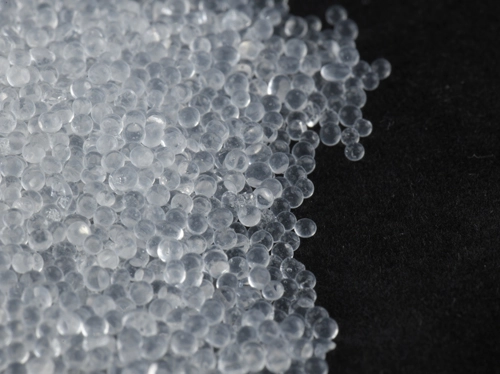
When one refers to alumina silica gel (sometimes called silica-alumina gel or silica alumina), the material typically describes a hybrid adsorbent and catalyst support in which silica (SiO₂) is modified by incorporation of alumina (Al₂O₃). This combination aims to blend the desirable traits of both constituents: the large surface area, porosity, and stability of silica gel, with the acidity, thermal robustness, and catalytic activity conferred by alumina. In evaluating alumina silica gel performance, key attributes include adsorption capacity, chemical stability, water resistance, mechanical strength, and catalytic potential. Below we examine these performance aspects, outline the roles of alumina content, and consider how alumina silica gel behaves across applications.
One of the core performance metrics of alumina silica gel is its ability to adsorb water vapor or moisture under varying humidity conditions. Thanks to the silica framework's porous structure, the material retains many of the adsorption advantages of pure silica gel. But with alumina integrated, the adsorption behavior may shift: at higher relative humidities, alumina sites can contribute more capacity, making alumina silica gel more effective in moisture-rich environments. Indeed, in comparative studies, silica-alumina gels often show enhanced adsorption under high humidity relative to fine-pored silica alone. (See e.g. similarity to "fine-pored silica alumina gel has adsorption capacity 6–10% higher under high RH than fine-pored silica gel" per industrial reports)
Because alumina can introduce acid sites or polar regions, adsorption of polar molecules (beyond water) may also benefit—molecules that interact more strongly with aluminum-containing sites can be adsorbed more securely. But this depends on the balance of silica and alumina as well as pore accessibility.
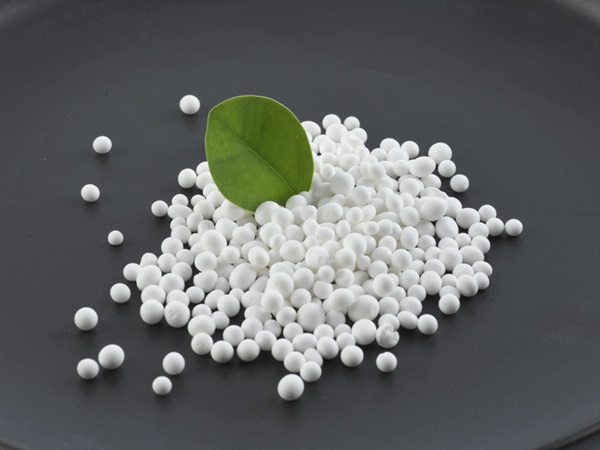
The presence of alumina generally enhances the thermal stability and chemical resilience of the gel. Alumina silica gel resists combustion and remains inactive under a wide range of chemical conditions—except in very strong alkalis or hydrofluoric acid, where silica or alumina may dissolve or degrade. Because the alumina contributes structural rigidity and resistance to sintering, alumina silica gels often tolerate higher regeneration temperatures or harsher operating conditions compared to pure silica gel. Further, in water-resistant (WS) types of silica-alumina gel, the material can resist liquid water ingress better than ordinary silica-based gels—making it more durable in wet or variable environments.
In many industrial uses, silica alumina is used where both adsorption and catalytic roles exist, so stability across temperature cycles and chemical environments is essential.
Mechanical Strength and Structural Integrity
Another key performance aspect of alumina silica gel is mechanical strength—its ability to maintain integrity under pressure, flow, and handling. Alumina incorporation can enhance the compressive strength, crush resistance, and attrition resistance of the beads. This means that in packed beds, gas flow, vibration, or agitation, the material is less likely to break down into fines. For durable service in dryers, fixed-bed reactors, or gas processing units, this mechanical robustness is crucial.
Because the structure must support repeated adsorption–regeneration cycles, resisting structural collapse or pore collapse is also part of performance. Alumina silica gel that maintains stable pore structure through many cycles is considered superior.
One of the distinguishing performance advantages of alumina silica gel over pure silica is its catalytic or catalyst-support potential. Alumina brings Lewis and Brønsted acidity, which enables the gel to serve as a catalyst or support active catalytic species. In many silica-alumina gels, aluminum atoms are dispersed within the silica matrix, sometimes even in unusual coordination states (for example, Al(V)) that provide strong acid sites.
These acid sites can catalyze dehydration, cracking, isomerization, or other acid-promoted organic reactions. The silica framework ensures dispersion and thermal stability of the catalytic centers, while alumina provides the reactivity. The balance is delicate: too much alumina may reduce surface area or block pores; too little may not provide enough acid functionality.
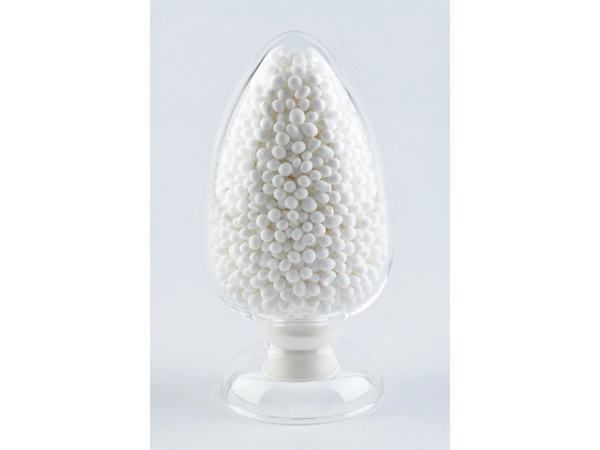
The relative proportion of alumina in alumina silica gel has a strong influence on performance trade-offs. Low alumina content retains high surface area and pore volume from silica, while adding modest acidity or stability. Higher alumina content may shift toward more catalytic prowess, but can reduce available surface area or increase diffusion resistance. In classic studies, varying alumina content showed that small additions (e.g. ~5 wt %) could optimize specific surface area and adsorption behavior, whereas excessive alumina reduces performance.
Additionally, how the alumina is introduced—by impregnation, co-precipitation, or mixed-gel methods—affects how uniformly the aluminum is dispersed and how much the structure is altered. The method of preparation can influence pore size distribution, surface heterogeneity, and acid site accessibility.
In practical terms, properly designed alumina silica gel can offer a "sweet spot" combining adsorption strength, structural stability, and catalytic usefulness.