What are you looking for?

Octadecylsilanized silica gel, commonly referred to as C18 silica gel, is a hydrophobic stationary phase extensively utilized in column chromatography for the separation and purification of a wide variety of organic compounds. This functionalized silica gel is distinguished by the attachment of long-chain octadecyl (C18) groups to the silica surface, imparting strong non-polar characteristics that are particularly beneficial for reversed-phase chromatography. Over the years, octadecylsilanized silica gel has become a cornerstone in both analytical and preparative chromatography due to its stability, reproducibility, and versatility in handling complex mixtures of molecules. Its widespread adoption in laboratories worldwide highlights its effectiveness in achieving high-resolution separations while maintaining chemical integrity of sensitive compounds.
The process of octadecylsilanization involves chemically bonding long-chain alkyl groups—specifically octadecyl groups—to the hydroxyl groups on the silica surface. This surface modification fundamentally changes the physical and chemical properties of the silica gel, converting its inherently polar surface into a hydrophobic one. As a result, octadecylsilanized silica gel exhibits reduced polarity, which is highly advantageous for separating non-polar or weakly polar compounds in reversed-phase chromatography. Additionally, this hydrophobic modification creates consistent interactions with analytes, improving retention time predictability and separation resolution. The density and uniformity of the C18 groups on the silica surface are crucial factors that determine the performance of the gel, influencing parameters such as flow rate, retention, and reproducibility of the chromatographic process.
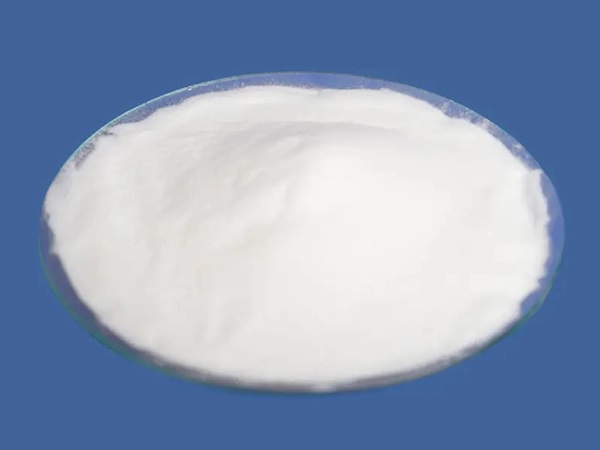
In column chromatography, the selection of a stationary phase is critical for obtaining effective separation and high-quality purification results. Octadecylsilanized silica gel serves as an ideal stationary phase for separating a wide range of organic compounds, including complex mixtures of pharmaceuticals, bioactive molecules, natural products, and environmental pollutants. Its strong hydrophobic surface allows non-polar compounds to be retained longer on the column, whereas polar impurities elute more quickly, enabling efficient purification.
Furthermore, octadecylsilanized silica gel demonstrates excellent compatibility with a wide array of solvents and mobile phase compositions. Its stability across different pH ranges ensures reliable performance under diverse experimental conditions, whether for routine analysis or complex preparative work. This versatility allows researchers to fine-tune mobile phase composition, gradient profiles, and flow rates, enabling precise control over separation characteristics and peak resolution. Additionally, its mechanical stability supports high-pressure column operations, making it suitable for modern high-performance liquid chromatography systems.
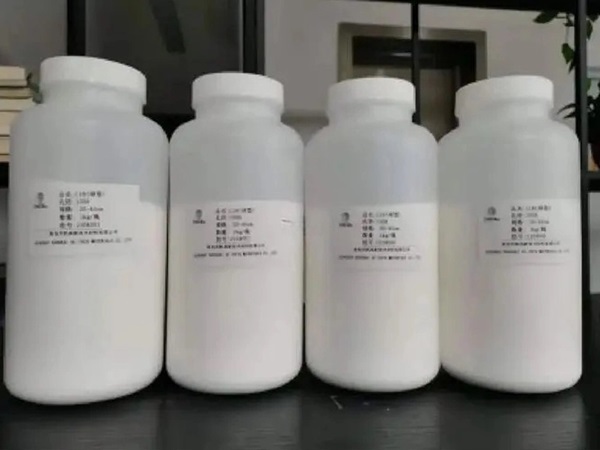
The use of octadecylsilanized silica gel in column chromatography provides multiple advantages that enhance both analytical and preparative workflows.
Enhanced Separation Efficiency: Hydrophobic interactions between the stationary phase and analytes improve the resolution, enabling clear separation of closely related compounds and isomers.
Broad Applicability: Effective for a wide spectrum of compounds, including non-polar and weakly polar molecules, allowing versatile application across pharmaceutical, chemical, and environmental laboratories.
Reproducibility: High consistency between batches ensures that experiments and purification processes can be repeated reliably without variability in results.
Chemical and Thermal Stability: Exhibits excellent stability across a wide pH range and tolerates elevated temperatures, making it suitable for challenging separation tasks.
Method Development Flexibility: Compatible with multiple solvent systems, gradients, and flow conditions, providing researchers the ability to optimize separation methods for maximum efficiency.
Preparative Efficiency: Ideal for scaling up separations, it allows for high-capacity purification without compromising compound integrity or resolution.
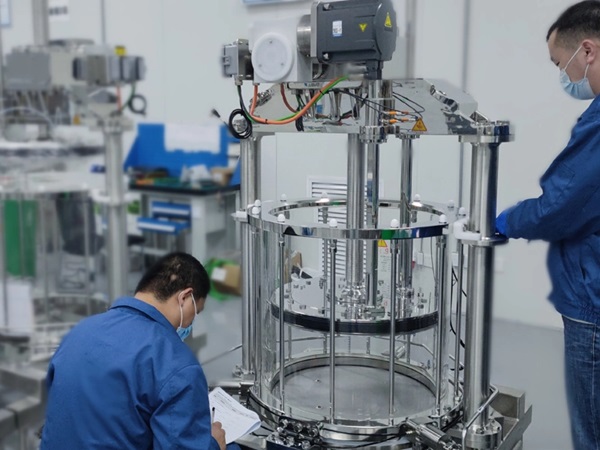
Octadecylsilanized silica gel has firmly established itself as an essential material in modern column chromatography, offering superior separation efficiency and reproducibility for a broad range of compounds. Its hydrophobic surface and compatibility with diverse mobile phases enable reliable and high-resolution separations, whether in analytical or preparative contexts. The advantages of octadecylsilanized silica gel—including chemical stability, broad applicability, and method development flexibility—make it indispensable for laboratories aiming to achieve precise purification and analysis. By integrating this material into their workflows, researchers can maximize separation efficiency, reduce experimental variability, and ensure consistent results across both routine and complex chromatographic applications. Its continued adoption underscores its pivotal role in advancing chemical analysis, natural product isolation, pharmaceutical development, and environmental monitoring.