What are you looking for?

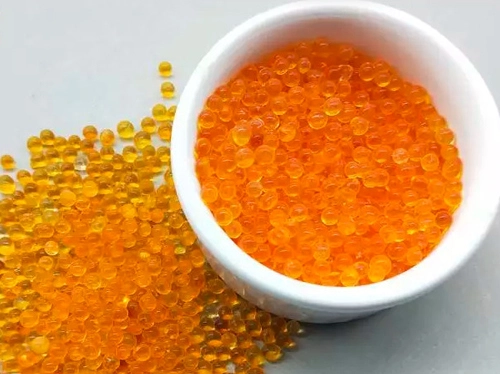
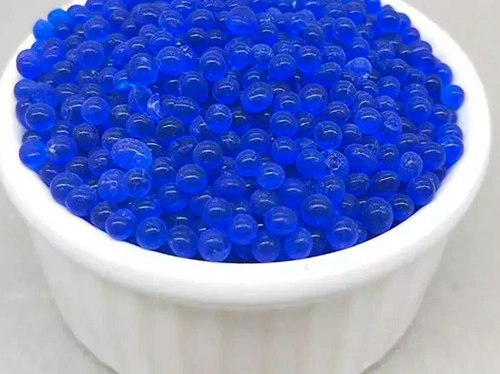
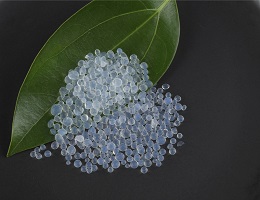
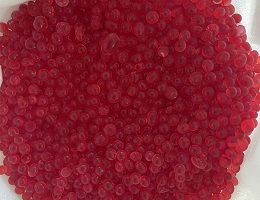
The product has the same adsorption and moisture resistance functions as narrow pore silica gel, and is characterized by color change with the increase of humidity in the moisture absorption process. It can not only indicate the ambient humidity, but also directly show whether the desiccant needs to be changed, making it an ideal color changing silica gel desiccant for applications requiring visual monitoring. This product can be used as desiccant independently, or used with narrow pore silica gel, and is available in indicating silica gel bulk quantities for industrial users. The orange desiccant beads are popular for their effective moisture absorption and clear humidity indication. Similarly, blue silica gel desiccant beads are widely used due to their reliable performance and visual humidity indication. Additionally, ruby red silica gel is another excellent choice for those seeking efficient moisture absorption and easy monitoring of humidity levels.
Color-changing silica gel indicates changes in external air humidity or changes in desiccant adsorption capacity through changes in its own color, and acts as an effective color indicating desiccant. It is divided into two types: cobalt chloride-containing and cobalt chloride-free. Because cobalt chloride is at risk of causing cancer, people usually prefer to use silica gel that does not contain cobalt chloride. Understanding desiccator silica gel color changes is essential for proper humidity monitoring in laboratory and industrial settings. The most common indicators of cobalt chloride-free silicone are blue to pink—a color change characteristic of silica gel blue beads , orange to green, ruby red to light yellow, etc
The indication silica gel after failure can be recycled. Put the color-changing silica gel in a drying equipment with a temperature of 100-120 degrees, and wait for the color of the silica gel to change back to its original color, and you can continue to use it. Monitoring the desiccator silica gel color during regeneration ensures the process is complete before reuse. It should be noted that the regeneration temperature should not exceed 120 degrees, otherwise it will destroy the activity of silica. In addition, the adsorption capacity of silica gel may decrease by 3-5 % every time, which is important to consider when using indicating silica gel desiccant packets in critical applications.