What are you looking for?

Silica gel is not only a desiccant material but also a valuable silica gel catalyst or catalyst support in many chemical processes. Its high specific surface area, tunable pore structure, and inertness make it suitable for hosting active catalytic species. According to Siliplus's product catalog, typical silica gel catalyst variants include wide pore silica gel, super wide pore silica gel, and micro-bead silica gel. In this article, we'll explore those types of silica gel catalyst, compare their characteristic features, discuss when each is used, and examine how their structure influences catalytic performance.
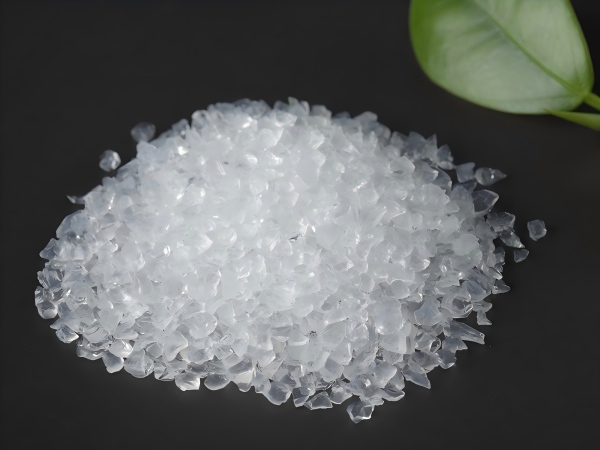
Wide pore silica gel is perhaps the most commonly used form among silica gel catalyst types. Its larger pores allow better diffusion of bulky organic molecules, which is critical in many catalytic reactions where substrates or intermediates are relatively large. Siliplus notes that wide pore silica gel is advantageous because its optimized pore volume and diameter facilitate better dispersion of active catalytic components, improving overall catalytic efficiency. The wide pores can accommodate metal nanoparticles, organometallic complexes, or acid/base active sites, while still preserving access for reactants to reach those sites and for products to diffuse out.
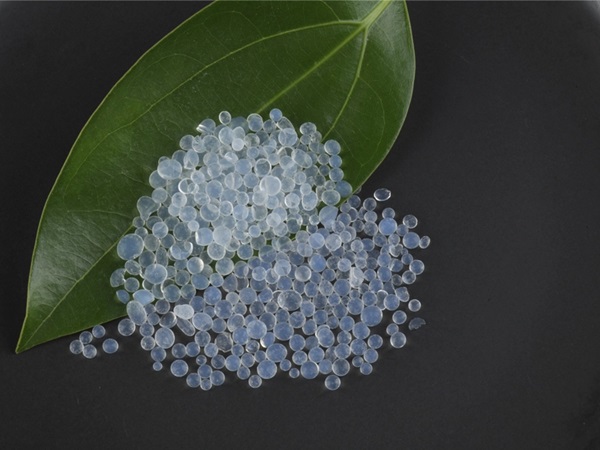
For even larger molecules or sterically hindered reactions, super wide pore silica gel catalyst serves as a more open scaffold. In such systems, the super wide pore silica gel allows for minimal mass transfer resistance, making it suitable when the reaction species are very bulky, or when high throughput is needed. Siliplus lists super wide pore silica gel as an option under its "Silica Gel Catalyst" category. The increased accessibility ensures that catalytic sites deep inside the support are not rendered inactive by diffusion limits.
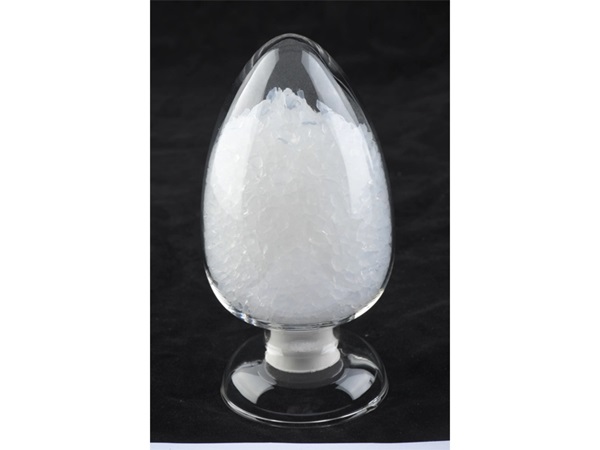
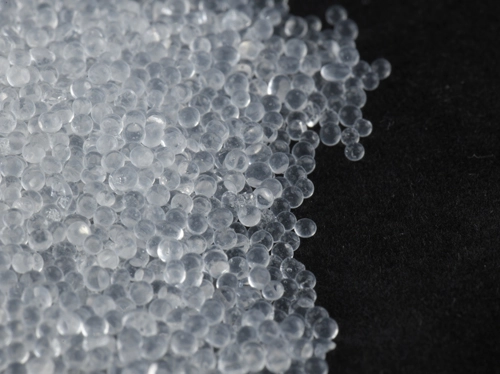
Another specialized variant is micro-bead silica gel catalyst, which consists of very small spherical silica gel particles. The micro-bead form gives a large external surface area and short diffusion paths, making it suitable for reactions where rapid kinetics are needed. In catalyst form, micro-beads can be impregnated with catalytic metals or acid/base functionalities and placed in fixed beds or flow reactors. As per Siliplus, micro-bead silica gel is one of the listed types under the "Silica Gel Catalyst" catalog.
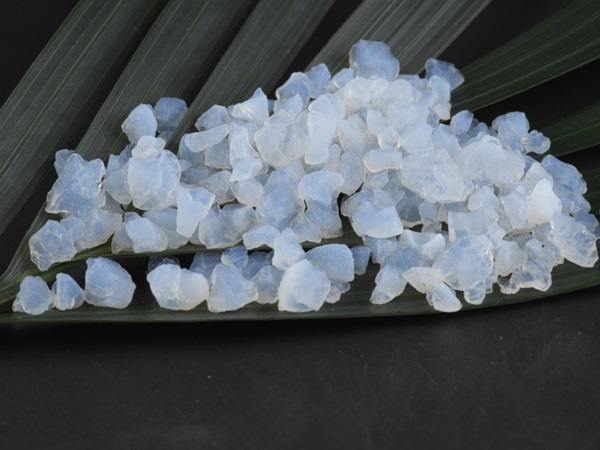
Choosing the appropriate type of silica gel catalyst depends on the molecular size of reactants and products, reaction kinetics, and diffusion constraints. If your reactants are relatively small, wide pore silica gel may suffice. For bulky molecules or when side chains or substituents make diffusion slow, super wide pore silica gel or even micro-bead supports may yield better performance. One must also consider mechanical strength, thermal stability, and how well the active catalyst can be dispersed onto the support—silica supports that allow fine dispersion yield better utilization of active species.
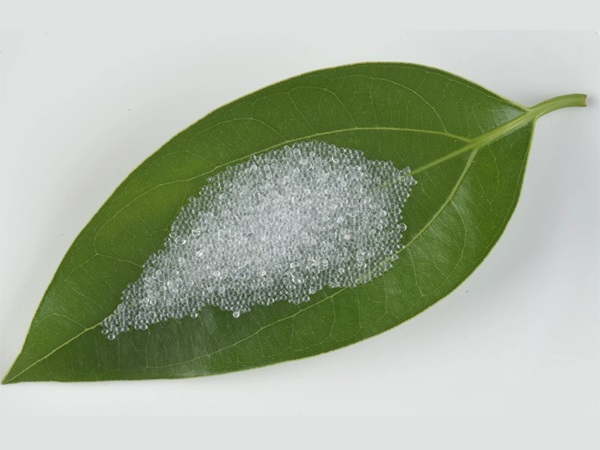
The structural parameters of a silica gel catalyst—pore size distribution, surface area, pore volume, and particle morphology—strongly influence activity, selectivity, stability, and reusability. A support with too small pores may trap the catalytic species or restrict access; one that is too open may lose stability or surface area. Therefore, tailoring the silica gel's pore structure to suit a given catalytic reaction is essential. The inert silica matrix must also resist corrosion, sintering, or leaching under reaction conditions; hence the chemical stability of silica gel supports provides a reliable backbone for catalyst design.