What are you looking for?

When comparing silica gel manufacturers in China, industrial buyers need to know whether a manufacturer understands the required application, can reproduce the agreed specifications, and has enough process control to support repeat orders. This becomes especially important when silica gel is used for chromatography, catalyst support, industrial adsorption, food processing, or other applications where material characteristics directly affect the customer's process.
A practical supplier comparison should therefore focus on five questions: whether the manufacturer has experience with the silica gel you need, how consistently it controls quality, whether it can support custom requirements, how samples are validated, and whether stable bulk supply can be maintained over time.

Silica gel is not a single standardized material. A grade designed for moisture adsorption has different performance priorities from silica used for chromatography or as a catalyst carrier. The required pore structure, particle characteristics, adsorption behavior, and surface treatment depend on the application, so a supplier experienced mainly in standard desiccants may not necessarily be suitable for a more specialized separation or industrial adsorption process.
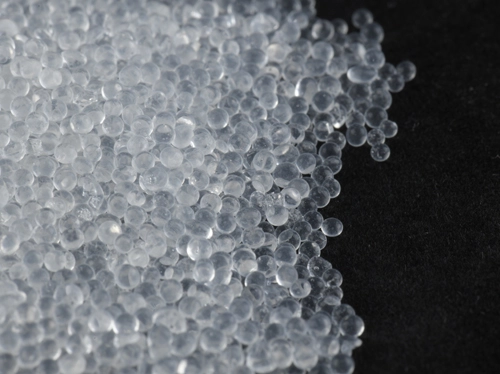
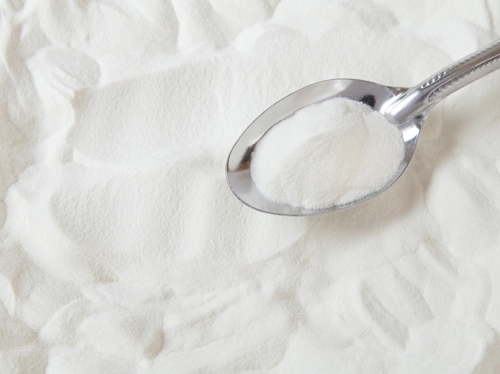
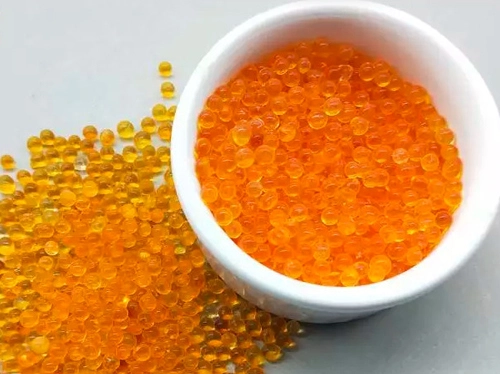
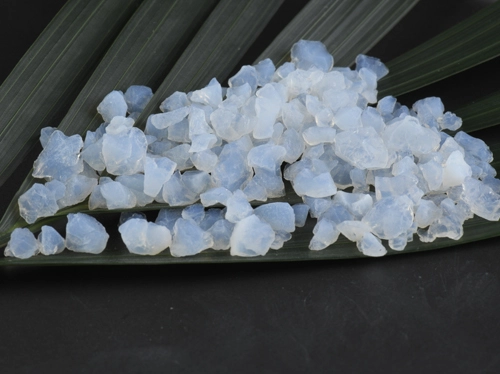
When evaluating silica gel manufacturers in China, buyers should therefore check whether the manufacturer's existing portfolio includes materials developed for similar applications. Siliplus produces more than 20 series of silica gel products covering desiccation, indicating silica gel, chromatography, catalyst support, industrial adsorption, food-related processing, and other applications. Buyers can review the broader Siliplus silica gel product range to identify the material family closest to their requirements. A broad catalog alone does not prove suitability, but relevant manufacturing experience usually makes technical communication and product matching more efficient.
A silica gel specification is only valuable if the manufacturer can reproduce it from one production batch to the next. Changes in pore structure, particle distribution, adsorption properties, or surface characteristics may affect downstream performance even when a product still falls within a broad specification range. For buyers, this means quality should be judged by process control and repeatability rather than by a single successful sample.
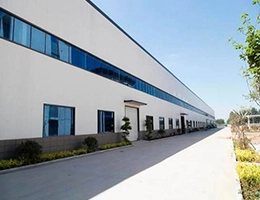
According to its current company information, Siliplus operates its own production base and testing laboratory. Its manufacturing chain covers sodium silicate raw material, basic silica gel production, and further processing, while automated equipment is used in key production stages to improve process stability. The company states an annual silica gel production capacity of 55,000 tons. Capacity alone is not enough, however. The more important question is whether the manufacturer can maintain the agreed material characteristics as order volumes increase.
| Supplier Factor | What Buyers Should Determine |
|---|---|
| Product experience | Whether the manufacturer understands the intended application |
| Process control | Whether critical production stages are consistently managed |
| Quality testing | Whether agreed product properties can be verified |
| Batch consistency | Whether repeat orders can perform comparably |
| Custom development | Whether non-standard requirements can be evaluated |
| Production capacity | Whether supply can expand with purchasing demand |
Standard silica gel grades are suitable for many applications, but some industrial processes depend on a particular balance of pore structure, particle size, adsorption behavior, or surface treatment. A buyer may also be replacing an existing material and need a comparable alternative rather than a generic silica gel with a similar product name. In these cases, the key question is whether the supplier understands why the requested characteristics matter to the process.
Customization should not mean simply agreeing to any specification a buyer requests. A technically capable manufacturer should evaluate whether a proposed adjustment is practical and how it may influence other material properties. Siliplus states that it can develop special silica gel products according to customer requirements and provide application-related technical support. For buyers with an established specification or a difficult processing requirement, sharing application details early can help determine whether a standard grade is sufficient or whether a custom product should be considered.
Sample testing is one of the most effective ways to reduce sourcing risk, but it should reflect the real application rather than serve as a simple visual or paperwork check. For a standard desiccant product, buyers may focus on moisture-control performance and physical condition. For chromatography, catalyst support, or other process-sensitive applications, evaluation should focus on how the material performs under actual operating conditions.
The approved sample should also be tied to a clearly defined specification so that later commercial batches can be compared against the same reference. When comparing silica gel manufacturers in China, buyers should therefore ask whether the supplier can provide representative samples and whether those characteristics can be reproduced at commercial scale. This is especially important for custom grades, because a successful laboratory sample has limited value if the manufacturer cannot maintain comparable properties during bulk production.
Once a silica gel grade has been qualified, changing suppliers can require additional testing and process adjustment. Long-term supply reliability should therefore be considered before a buyer commits to volume purchasing. A manufacturer may be able to provide a small trial quantity but still struggle with repeat orders if production capacity, raw-material control, and quality systems do not scale together.
The objective should be to find a manufacturer that can maintain the approved specification as purchasing volume grows, not simply one that can complete the first order. Siliplus combines silica gel production, testing, customized product development, and application support within its current manufacturing operation. Buyers comparing an existing supplier or qualifying a new silica gel source can contact Siliplus with their application, current specification, or target material requirements for further evaluation.
The most effective way to compare silica gel manufacturers in China is to start with application fit and then evaluate whether the supplier can maintain the required material quality over time. Relevant product experience, controlled manufacturing, repeatable specifications, technical support, and reliable scale-up are more useful indicators than price alone.
For standard products, this approach can reduce unnecessary supplier changes. For specialized industrial applications, it becomes even more important because small differences in silica gel properties may affect process performance. A manufacturer that understands both the specification and the reason behind it is better positioned to support a stable long-term supply relationship.
Compare manufacturers by their experience with your application, production control, batch consistency, technical support, and ability to reproduce an approved specification.
No. A lower price may offer little value if inconsistent material causes process adjustments, rejected batches, or repeated supplier qualification.
Some manufacturers can develop customized silica gel. Buyers should provide application and specification requirements so the supplier can determine whether customization is technically appropriate.
Yes. Testing a representative sample under actual operating conditions helps confirm product suitability and establishes a reference for later commercial shipments.